
We use cookies
Help us improve your experience by accepting our cookies. Find out more in our Privacy Policy
Help us improve your experience by accepting our cookies. Find out more in our Privacy Policy
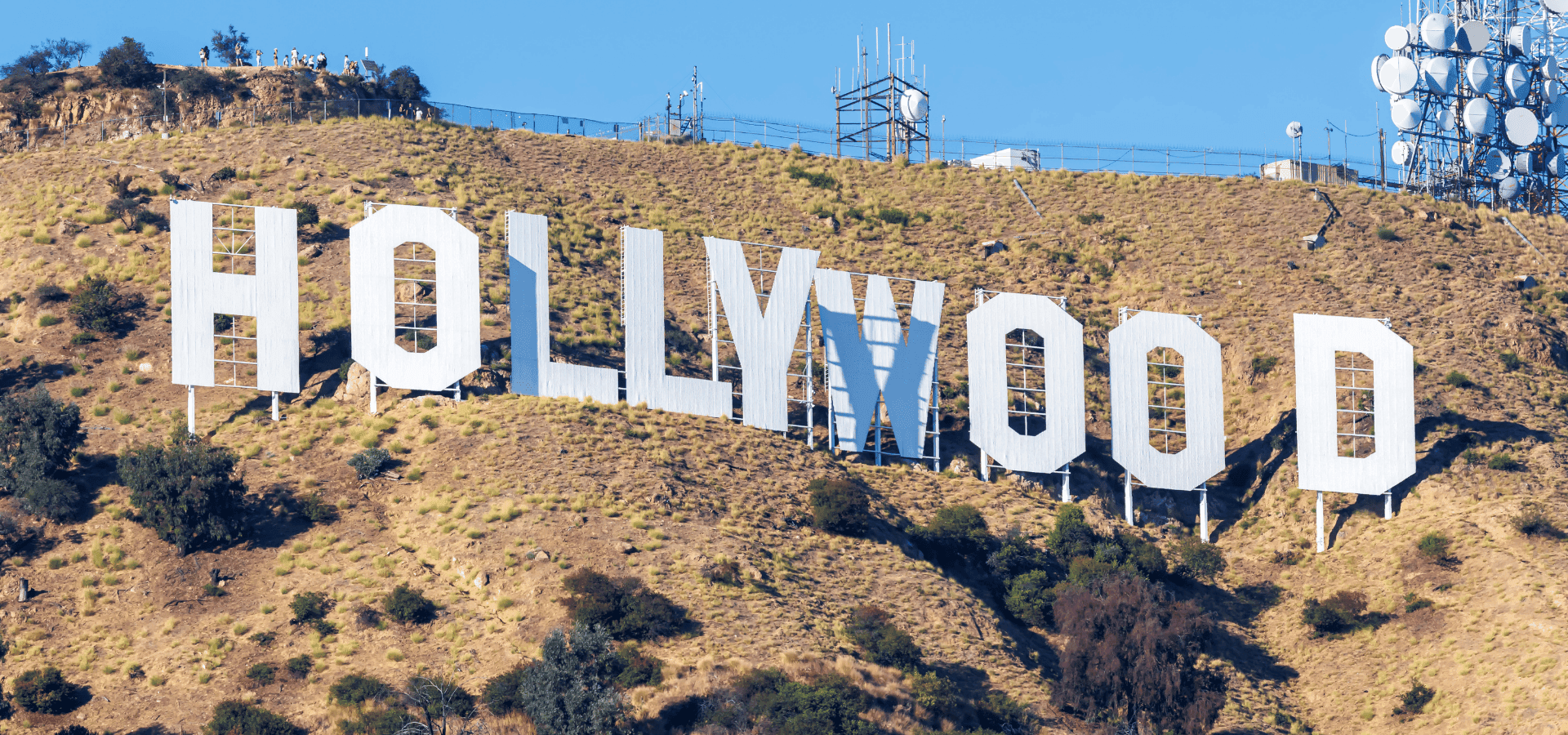
Hollywood stands still: writers and actors are striking simultaneously. What is the situation in Germany?
Hollywood stands still: For the first time in over 60 years, writers and actors are striking simultaneously. The Writers Guild of America has been on strike since May, and now the Screen Actors Guild has joined them. The reason for this is, on the one hand, failed salary negotiations: the actors are demanding salary increases and bonuses for successful streaming services, but the production studios are in financial crisis. However, the rise of artificial intelligence also plays a central role in the demands of actors and writers: both professional groups are concerned that the unregulated use of AI will put their jobs at risk. For example, it is conceivable that scripts will be written by AI in the future. At the same time, the technology could also be used to artificially generate actors, which would primarily affect extras. Here, the unions are calling for clear regulations in the US.
And what is the situation in the German acting scene? In this country, actors are represented by the Federal Association of Actors. In a press release, it declared its solidarity with the American SAG-AFTRA – and at the same time made it clear that AI regulations in particular also play a major role at the German and European level. In addition, dissatisfaction with salaries is also rising in Germany in view of inflation. Negotiations are therefore currently taking place here, but the situation is less acute than in the US. Nevertheless, the association's executive board has not ruled out a strike: the German union is also capable of taking industrial action. If you are also interested in the concerns of the German film industry, then take a look at the position as Public Relations and Press Communications Officer at the Producers Alliance.
We were also interested in the following topics:
East-West difference: Last year, people in eastern Germany earned around €13,000 less than their western German counterparts. This means that the wage gap between the federal states has widened – according to the Left Party, this is a “political scandal,” writes Die Zeit.
Skills shortage: Only one in two mothers is in paid employment, and 70% of those are employed part-time. However, this is often out of necessity rather than personal choice: Tagesschau reports on the difficulties mothers face when re-entering the labor market and what is being done to address them.
Corporate social responsibility: How can corporate social responsibility succeed in the health sector? This question is addressed in the Absenteeism Report 2022 published by the Scientific Institute of the AOK. In 17 specialist articles by various authors, topics related to responsibility and health are discussed.
AI in the workplace: ChatGPT helps with many things – potentially even salary negotiations: The Tagesspiegel (€) has created a guide on how to use the chatbot for this purpose.
Job vacancies: Working for the EU institutions sounds exciting, but unattainable? The European Personnel Selection Office's job vacancies offer an opportunity to get started. Currently, they are particularly looking for civil servants in the field of economics.
This text first appeared as an editorial in the weekly politjobs newsletter. If you would like to receive this newsletter with the latest jobs in politics directly by email every Wednesday, you can subscribe to it here.
Spread the word: Do you have friends or acquaintances who are also interested in political jobs? Feel free to forward the registration form for our newsletter.