
We use cookies
Help us improve your experience by accepting our cookies. Find out more in our Privacy Policy
Help us improve your experience by accepting our cookies. Find out more in our Privacy Policy
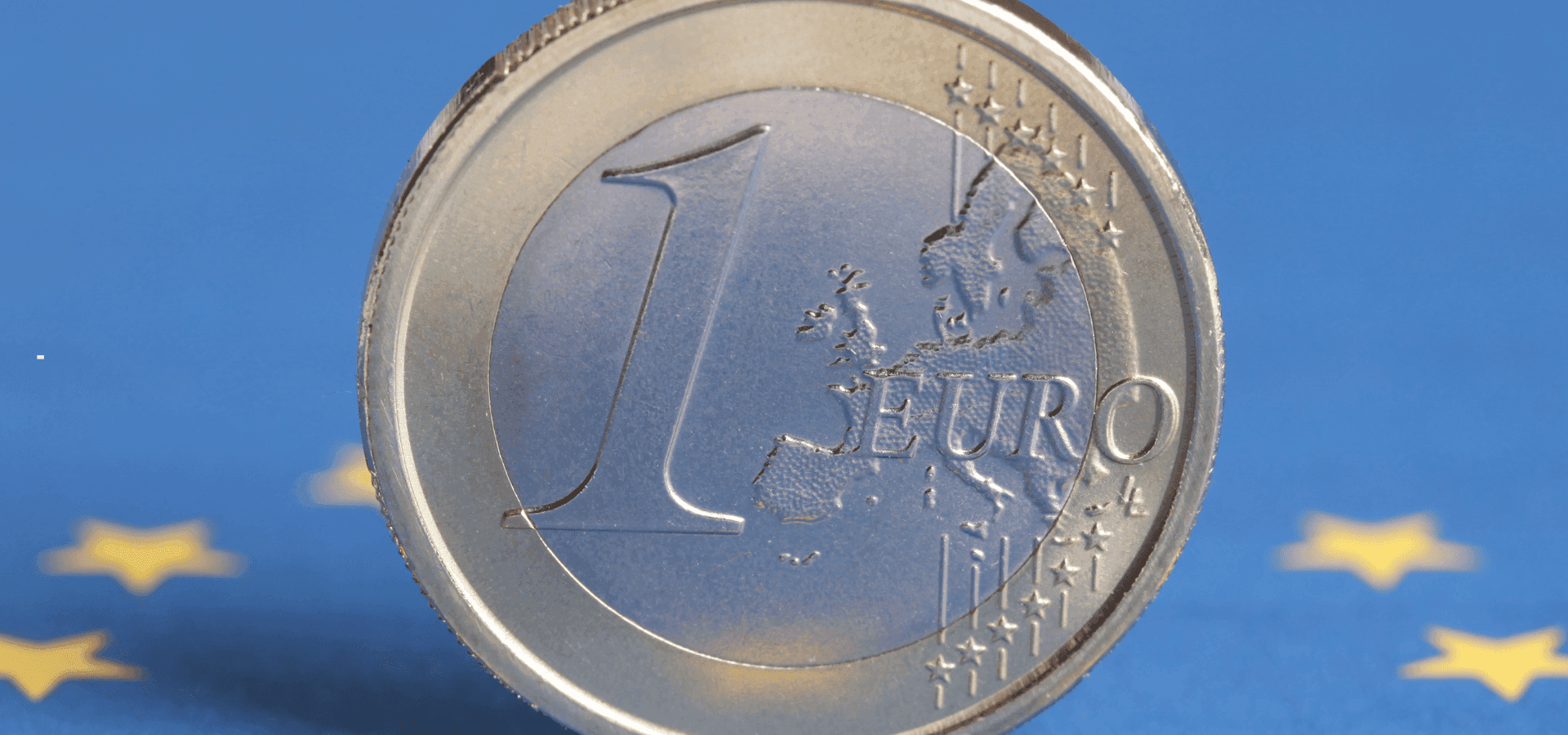
The economy reacts: Following the European elections, companies and associations express their concerns.
Europe has voted – and the economy is reacting. What statements have companies and associations in Germany made about the election so far?
ifo President Clemens Fuest warns in particular of the consequences that the AfD's successes in eastern Germany could have. The dominance of radical parties would have a negative impact on economic prospects, to which the BSW could also potentially contribute. In addition, Fuest expects the traffic light coalition government to focus on the campaign for the upcoming federal elections and therefore neglect economic policy projects. At the European level, too, it must be expected that projects such as the Green New Deal will not be continued and that new conflicts will arise over debt policy.
BDI President Tanja Gönner is calling on the new EU Parliament to develop a growth plan for Europe and prioritize European competitiveness. This requires a focus on economic policy issues such as completing the EU single market, reducing bureaucracy, and concluding free trade agreements. The BDI also views the shift to the right and the increasing proportion of right-wing populist MEPs as cause for concern.
VCI President Markus Steilemann has similar wishes for the new EU decision-makers: less bureaucracy, more speed, and clear priorities are essential for the economy. Dirk Jandura, president of the German Foreign Trade Association, takes a similar view, advocating less bureaucratic regulation and more free competition.
The election results have also had an impact on the financial world and the stock market: The DAX and other leading indices started the week weakly, with market analysts citing political uncertainty caused by factors such as the new elections in France and the poor results of the Green Party as reasons for this. How good economic and social policy can reduce citizens' uncertainties will also be discussed at our event of the week, the Progressive Governance Summit. More details below.
These topics also caught our attention:
Working hours: Flexible working hours are trendy and popular with employees. However, a new study now shows that this type of time management can also have disadvantages and negatively impact health. t3n has the details.
Career choice: How does your career choice affect your personality? The ZEIT podcast on career choices discusses occupational psychology studies on this topic.
Co-determination in companies: Companies can circumvent rules on co-determination in the workplace through loopholes and legal gaps. The Hans Böckler Foundation explains why this is the case and why the European Court of Justice has made the situation even worse.
Are you a communications professional or would you like to become one? The CHECKPOINT Corporate Communications event on September 3, 2024, in Frankfurt/Main offers you the perfect platform to get to know the industry and attractive employers. Meet consulting firms such as Brunswick, Fink & Fuchs, FleishmanHillard, and many more who are looking for you to join their communications team! You can find all the information you need at ckpt.org.
This text first appeared as an editorial in the weekly politjobs newsletter. If you would like to receive this newsletter with the latest jobs in politics directly by email every Wednesday, you can subscribe to it here.
Spread the word: Do you have friends or acquaintances who are also interested in political jobs? Feel free to forward the registration form for our newsletter.