
We use cookies
Help us improve your experience by accepting our cookies. Find out more in our Privacy Policy
Help us improve your experience by accepting our cookies. Find out more in our Privacy Policy
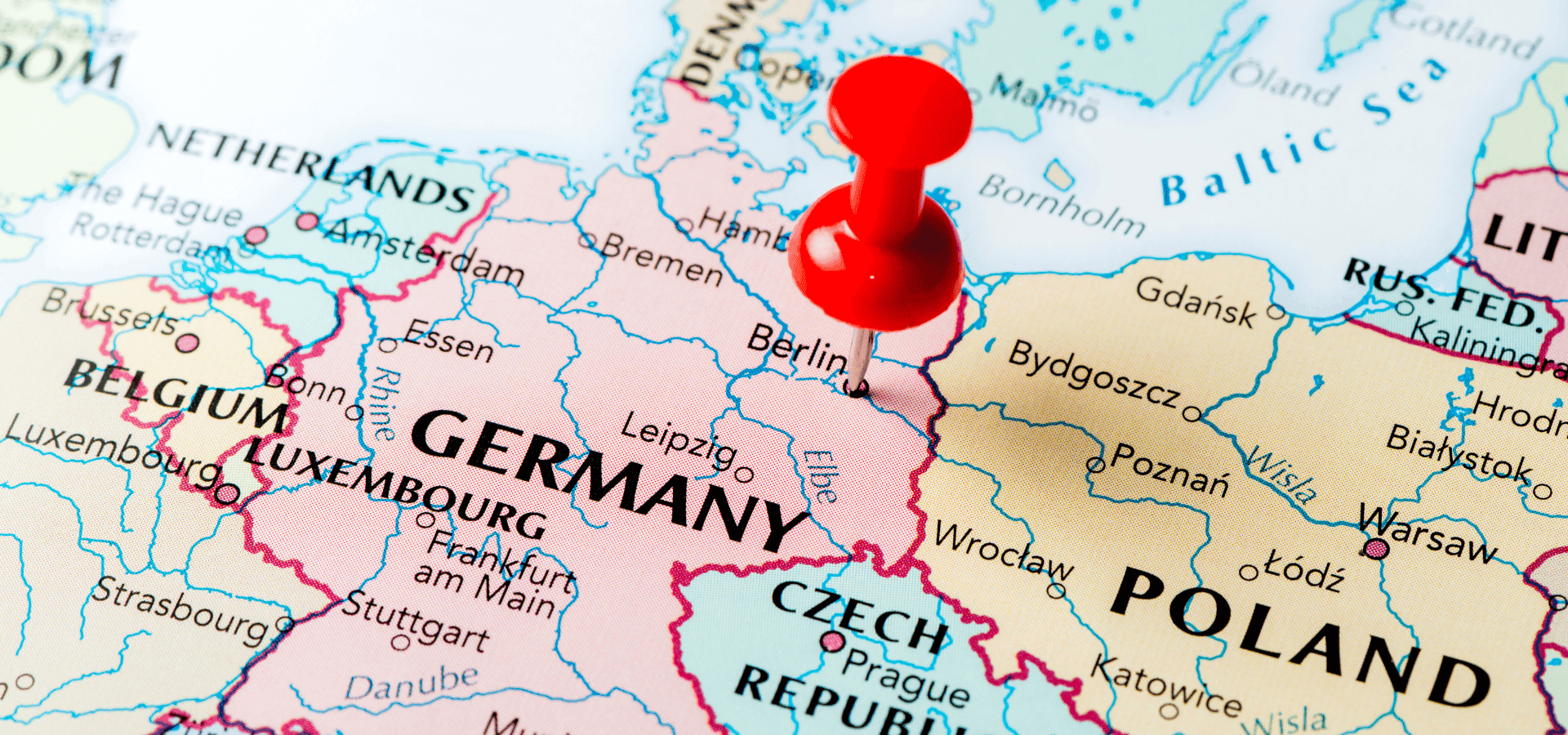
New study shows how xenophobic attitudes influence migration and the labor market in Germany.
How do xenophobic attitudes influence migrants' choice of where to live in Germany? And how does this affect the labor market in Germany? A new study by Kiel University provides answers to these questions and shows how anti-immigration attitudes are slowing down labor migration in certain regions.
Migration patterns in Germany show significant regional differences: While 85% of the population lives in western Germany, 90 to 94% of immigration is concentrated in this region. The migration rate also varies considerably. While in 2017 it was only 1.4 migrants per 1,000 employees in Bautzen (eastern Germany), it was significantly higher in Offenbach (western Germany) at 24.1.
Regional differences in immigration are closely linked to political attitudes. Measured by the election results of right-wing parties and the frequency of right-wing extremist violence, the study shows a clear correlation. Support for right-wing populist parties in Germany, especially in eastern Germany, has risen significantly in recent years. At the same time, politically motivated crime by right-wing extremists has also increased since 2015. Particularly high numbers were recorded in large cities, but the per capita crime rate in eastern Germany is significantly higher than in western Germany.
Overall, the study shows that xenophobic attitudes and the political landscape have a significant impact on labor migration in Germany. Regions with high acceptance and low xenophobia attract migrants, which in turn strengthens the local labor market. In contrast, regions with strong right-wing extremist tendencies struggle with a shortage of labor and skilled workers.
We were also interested in the following topics:
Vocational training: Skilled workers with vocational training are less likely to be unemployed in Germany than highly or low-skilled workers. The IW shows the extent to which vocational training protects against unemployment.
AI in the world of work: Anthropic's new AI Labor Market Index shows that artificial intelligence currently tends to support people's work rather than automate it. the-decoder knows which professions use AI the most.
Tax policy: The parties' tax reform proposals are being hotly debated in the 2025 federal election campaign. While the SPD and the Greens are aiming for relief for lower and middle incomes, the CDU/CSU, FDP, and AfD are favoring higher earners and companies in particular with their plans, reports the DIW Berlin.
This text first appeared as an editorial in the weekly politjobs newsletter. If you would like to receive this newsletter with the latest jobs in politics directly by email every Wednesday, you can subscribe to it here.
Spread the word: Do you have friends or acquaintances who are also interested in political jobs? Feel free to forward the registration form for our newsletter.