
We use cookies
Help us improve your experience by accepting our cookies. Find out more in our Privacy Policy
Help us improve your experience by accepting our cookies. Find out more in our Privacy Policy
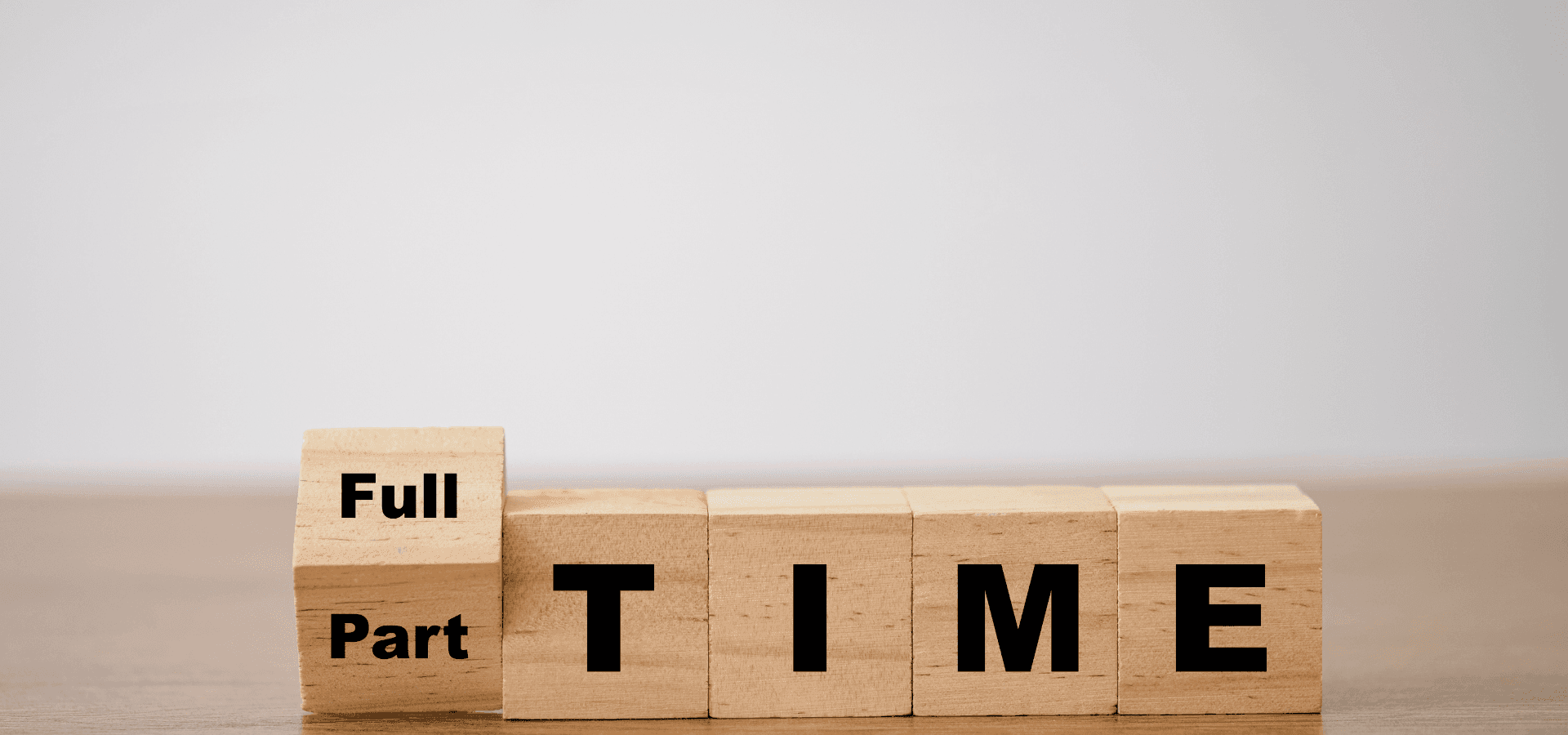
Current data from the Federal Statistical Office for 2024 confirm a record level of part-time employment: 29% of the working population works part-time. At 49%, the proportion of women is significantly higher than that of men at 12%. Mothers with young children are particularly disproportionately affected by part-time work, which points to existing challenges in balancing family and career. While the employment rate for women has risen sharply since 2005 (from 59% to 74%), the proportion of part-time employment among women has remained almost constant.
In view of the shortage of skilled workers and the need to fully utilize the labor force, Federal Labor Minister Bärbel Bas (SPD) is calling for concrete measures to strengthen full-time employment among women, reports Die Zeit. Expanding childcare and providing tax incentives for women to switch to full-time work are key approaches to freeing women from the “involuntary part-time trap.” This could create the equivalent of half a million additional full-time jobs, which would counteract the shortage of skilled workers.
We were also interested in these topics:
Spring report by the German Council of Economic Experts: The German economy remains in a “pronounced phase of weakness,” according to the German Council of Economic Experts in its spring report. Zero growth in gross domestic product is expected for 2025. This is also reflected in the labor market: the economic experts expect the unemployment rate to rise to 6.2% in the coming year.
The working world of young people: The latest trend study, “Youth in Germany 2025,” offers insightful perspectives on the working world of young people. According to the study, 81% of 14- to 29-year-olds work full-time—the highest rate in a generational comparison. Youth researcher Simon Schnetzer emphasizes that young workers are willing to give their best. However, they link their willingness to perform to expectations such as a good working atmosphere, work-life balance, and security.
AI pays off: The ongoing integration of artificial intelligence (AI) into work processes has concrete positive effects on conditions for employees. Employees with AI-related tasks earn higher daily wages, are less likely to be unemployed, and change jobs less frequently. This is according to the latest IW study “AI proximity in the job pays off,” which examined the positive effects of this development on the German labor market.
This text first appeared as an editorial in the weekly politjobs newsletter. If you would like to receive this newsletter with the latest jobs in politics directly by email every Wednesday, you can subscribe to it here.
Spread the word: Do you have friends or acquaintances who are also interested in political jobs? Feel free to forward the registration form for our newsletter.