
We use cookies
Help us improve your experience by accepting our cookies. Find out more in our Privacy Policy
Help us improve your experience by accepting our cookies. Find out more in our Privacy Policy
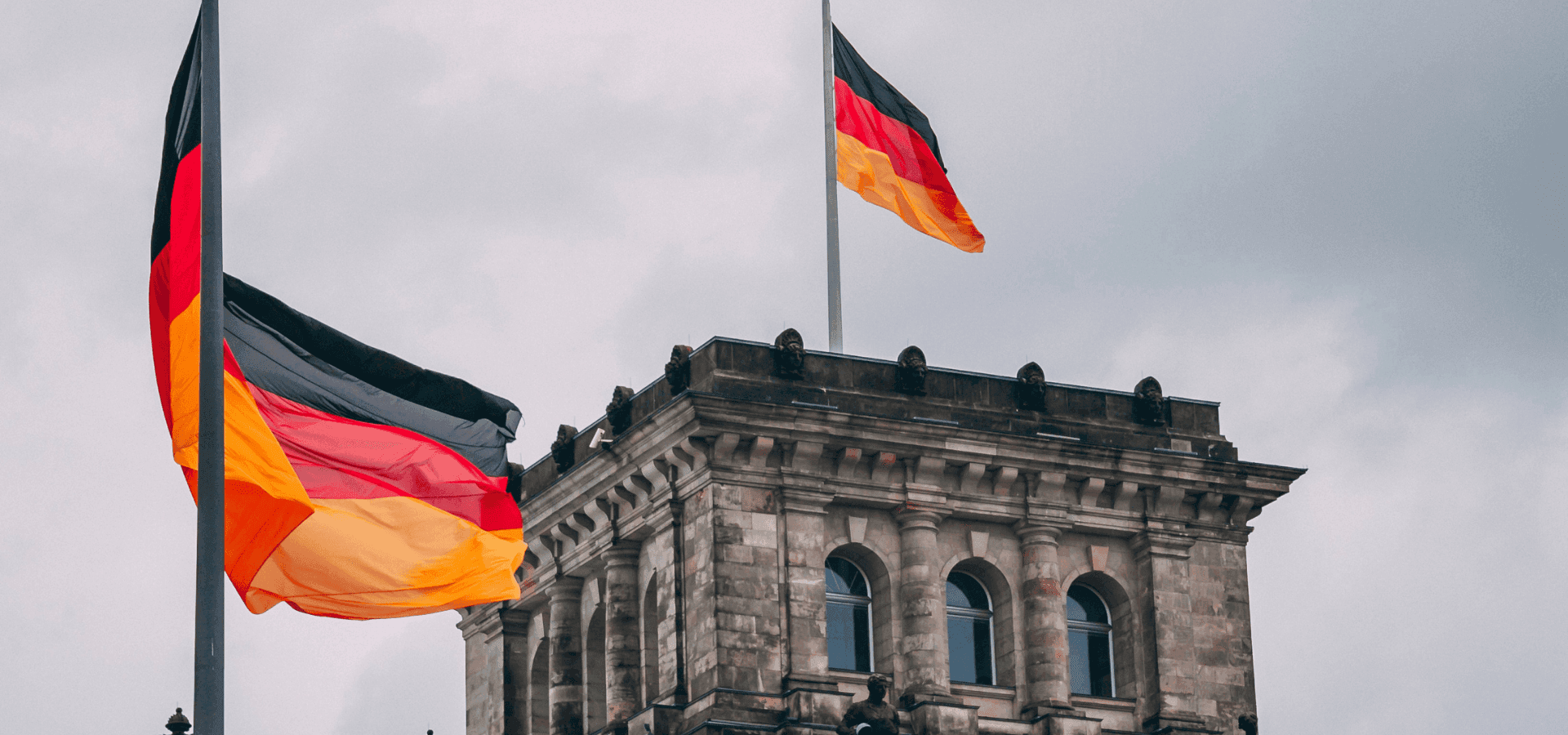
According to a recent report, not all differences between East and West Germany have been eliminated yet.
Yesterday marked the 33rd anniversary of German reunification. However, not all of the (structural and individual) differences between East and West have been eliminated, and citizens assess the current situation in the country differently depending on their origin and place of residence. This is shown in the latest report by the federal government on the status of German reunification, the key points of which we would like to present today.
On the one hand, the federal government explains that it has already taken important steps toward harmonization between East and West during its legislative period: for example, the pension harmonization of July 2023, which will lead to a convergence of living conditions in East and West. The increase in the minimum wage, the implementation of the citizen's income, and the expansion of housing benefit eligibility also serve to increase social justice. In addition, the report presents key research projects that promote unity, such as the Elite Monitor and the Germany Monitor, as well as the planned projects of the Future Center in Halle/Saale and the Equality Report.
The report on unity focuses on the topic of urban-rural differences. A separate chapter is devoted to demographic facts, equality, structural change, and the energy transition in urban and rural areas. Data on the economic situation in eastern Germany rounds off the report.
We were also interested in the following topics:
Citizen's income: At the beginning of next year, citizen's income will increase by around 12%. According to critics of the concept, this devalues work and means that unemployment is better paid than some jobs. An analysis by the WSI for the ARD magazine Monitor shows why this is not the case.
Labor market in Germany: The German economy remains weak, which is now also affecting companies' willingness to hire new staff. This is reported by Tagesschau, citing the ifo Institute's employment barometer and the Institute for Employment Research's labor market barometer.
Tesla: At least 190 workplace accidents are said to have occurred at the Tesla plant in Grünheide between June and November 2022 – proportional to the number of employees, this is about three times as many accidents as at the Audi plant in Ingolstadt, for example. Federal Labor Minister Hubertus Heil has now responded with concern to these figures and is calling for stricter official controls, reports Die Zeit.
European society: More than half of Europeans have seen their purchasing power decline in the last three years, and 29% are currently in a precarious financial situation. These findings come from the latest edition of the European Barometer on Poverty and Precariousness, compiled by Ipsos for the French organization Secours Populaire.
This text first appeared as an editorial in the weekly politjobs newsletter. If you would like to receive this newsletter with the latest jobs in politics directly by email every Wednesday, you can subscribe to it here.
Spread the word: Do you have friends or acquaintances who are also interested in political jobs? Feel free to forward the registration form for our newsletter.