
We use cookies
Help us improve your experience by accepting our cookies. Find out more in our Privacy Policy
Help us improve your experience by accepting our cookies. Find out more in our Privacy Policy
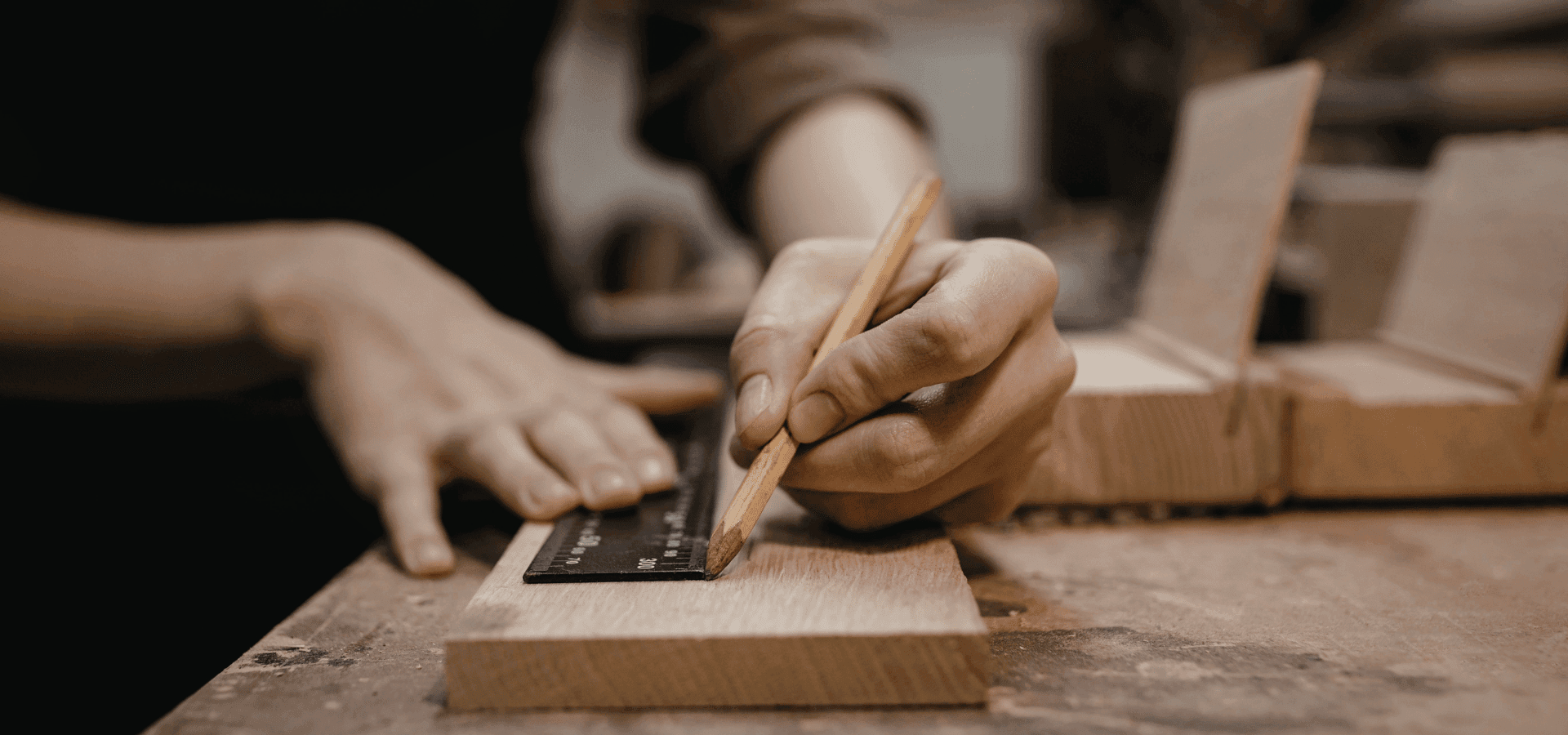
Out of school and into the crafts? That’s the idea behind the Freiwilligen HandwerksjahrPLUS program, which gives participants the opportunity to explore and try out various trades through up to four internships after they finish school.
Out of school, into the crafts?
Countless opportunities, but no real plan—that’s the situation for many high school graduates. Career guidance is often lacking. This is exactly where the East Westphalia-Lippe Chamber of Crafts in Bielefeld comes in with its Voluntary Crafts Year PLUS (FHJ+) project.
The idea: After finishing school, participants can try out various trades over the course of a year through up to four three-month internships. In addition to accompanying seminars and coaching, participants also receive 450 euros per month. The goal of the initiative is to offer young people an alternative and thus attract new talent to the skilled trades. After all, the need is great: The German Confederation of Skilled Crafts (ZDH) estimates the demand for skilled workers at 200,000 additional employees.
The project has now been running for about six months. An initial interim assessment shows: Around 60% of participants have a technical college entrance qualification or a high school diploma—groups among whom, according to surveys, manual and physical work has traditionally been viewed as unattractive. Whether the FHJ+ will have a lasting impact and whether it would appeal to the same target groups in other regions of Germany remains to be seen. However, one thing is clear: the project can serve as a catalyst for creative recruitment of young talent.
We were also interested in these topics:
Less is more: Although the number of people in the workforce in Germany is declining, per-capita working hours rose slightly in the first quarter of 2026. This is shown (€) by current figures from the IAB research institute. While people are working longer hours, particularly in part-time roles, declining sick leave is also contributing to a stable workload.
Weekly working hours worldwide: The Brazilian Parliament has approved a reform aimed at reducing the current weekly working hours from 44 to 40. In the future, the approximately 37 million affected employees will also have two consecutive days off. The situation is different in neighboring Argentina, however: Here, workdays could soon be up to 12 hours long.
Voicepilling Work Trend: In the U.S., more and more employees are dictating their thoughts to their computers instead of typing them out. Although this so-called “Voicepilling” can certainly lead to increased productivity, the trend also has its weaknesses—such as error-prone AI tools or a lack of coherence in the dictated text. The increased noise level can also lead to tension, and not just in the office.
This text first appeared as an editorial in the weekly politjobs newsletter. If you’d like to receive this newsletter with the latest jobs in the political sector directly by email every Wednesday, you can subscribe here.