
We use cookies
Help us improve your experience by accepting our cookies. Find out more in our Privacy Policy
Help us improve your experience by accepting our cookies. Find out more in our Privacy Policy
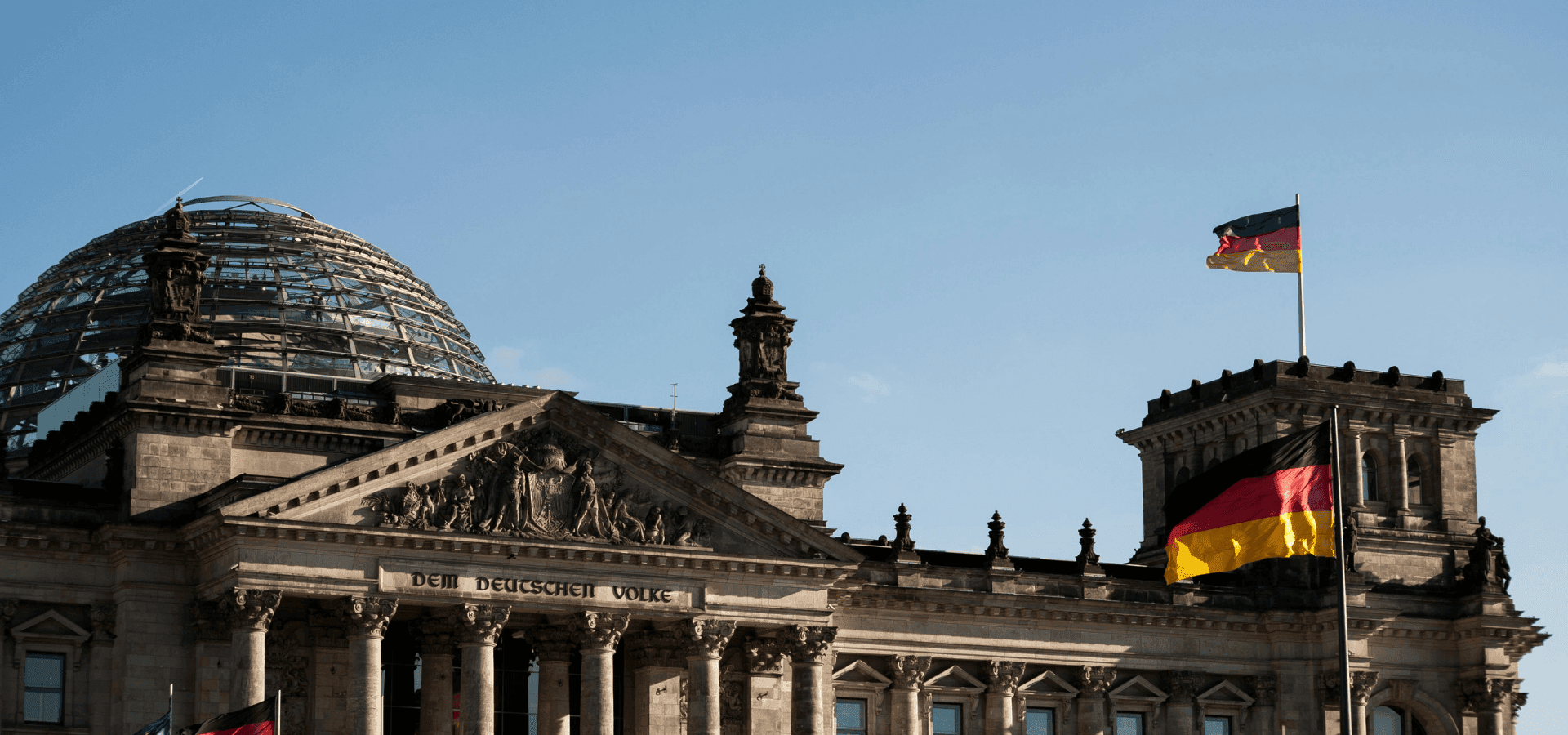
There are around 2,130 top positions in Berlin's political arena. Of these, only 33.94% are held by women, as a new study reveals.
There are around 2,130 top positions in Berlin's political arena – in the Bundestag, in party functions, in companies, associations, and in journalism. Of these, only 33.94% are held by women, according to the “Women in Politics Report 2023”, which was published last week by Quadriga University in collaboration with the magazine politik&kommunikation. The report examined party leaders, parliamentary groups, and the Bundestag, including its committees. It found that the CDU/CSU, FDP, and AfD in particular are predominantly male-dominated, while the SPD has achieved at least near parity. The Greens and the Left Party, on the other hand, have predominantly women in their top positions, which the report attributes, among other things, to parity regulations in the drawing up of candidate lists. In the Bundestag committees, however, there is also a thematic division: the committees on family, education, and nutrition are largely female, while the remaining 22 committees are predominantly male—seven of them even have a female share of less than 25%. Beyond this analysis, the report also examines the “extended political arena,” which includes political journalism, companies and trade associations, subordinate federal authorities and trade unions, as well as charities, NGOs, and public affairs agencies. Here, the proportion of women at the executive level ranged between 21% and 42%, while at the management level in the public affairs sector, the proportion was only 11%. None of the areas has achieved parity.
We were also interested in the following topics:
Business and politics: Many companies have so far refrained from commenting on the current rise of the AfD. Federal Interior Minister Nancy Faeser is now calling for entrepreneurs to take a clear stand against the normalization of right-wing populist and extreme right-wing positions – and warns that the current “climate of division” could deter foreign workers and skilled personnel.
AI in the workplace: The hype surrounding new AI tools began around a year ago and has continued to this day. The SZ is taking this as an opportunity to draw a kind of interim conclusion and shed light on the extent to which AI is used in the world of work and the extent to which this actually makes things easier.
Integration: More than half of all refugees who have come to Germany in recent years now have a permanent job – according to one study, increasingly as skilled workers. This was investigated by the German Institute for Economic Research in collaboration with the University of Bamberg.
World Days: This week saw two World Days designed to draw attention to highly relevant issues: December 3 was International Day of Persons with Disabilities, on which the German Institute for Human Rights called for greater commitment to inclusion and self-determination, including in the workplace. This was followed on December 5 by International Volunteer Day, which Federal President Steinmeier, among others, marked by awarding medals to people involved in voluntary work.
By the way: politjobs is now also on Bluesky! Follow us at @politjobs.bsky.social and you'll get the latest jobs directly in your feed. Don't have Bluesky? Then you can also subscribe to our new WhatsApp channel. Just click here!
This text first appeared as an editorial in the weekly politjobs newsletter. If you would like to receive this newsletter with the latest jobs in politics directly by email every Wednesday, you can subscribe to it here.
Spread the word: Do you have friends or acquaintances who are also interested in political jobs? Feel free to forward the registration form for our newsletter.