
We use cookies
Help us improve your experience by accepting our cookies. Find out more in our Privacy Policy
Help us improve your experience by accepting our cookies. Find out more in our Privacy Policy
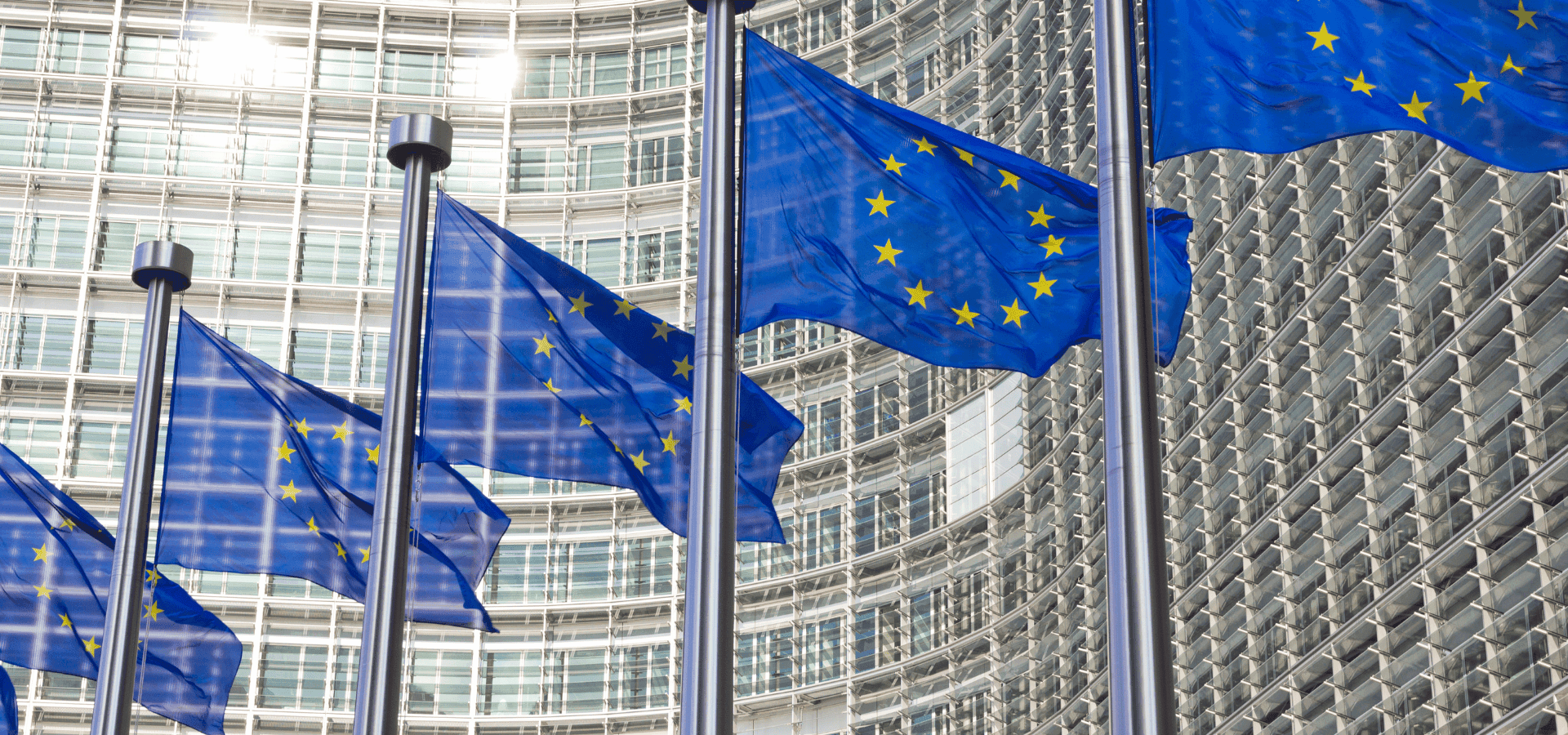
A central talent pool is intended to simplify recruitment processes and make it easier for job seekers from non-EU countries to find work.
There is no doubt that there is an urgent need to find solutions to the growing shortage of skilled workers. Last week, the European Commission therefore presented a new proposal for recruiting foreign skilled workers: an EU talent pool is to be set up to connect job seekers from non-EU countries with EU employers. Particularly in the context of the twin transition—the simultaneous transition to greater sustainability and digitalization—this talent pool is intended to recruit skilled workers and bind them to Europe.
The establishment of a central EU-wide talent pool would have the advantage of simplifying recruitment and hiring processes, which could then be tailored to the respective needs of the labor market. In addition, a link can be established to the current “talent partnerships” that are to be entered into with certain EU partner countries. Cooperations with Morocco, Tunisia, Egypt, Pakistan, and Bangladesh are currently in preparation. These talent partnerships are intended to promote intergovernmental mobility for work and training purposes. The EU Commission also sees the talent pool as an opportunity to promote legal immigration and thus curb “irregular migration.”
Not only the EU, but also job seekers from non-EU countries are expected to benefit from this talent pool: in addition to a simplified job search, the talent pool will offer information about application procedures and living and working conditions in the EU. In addition, clear safeguards can ensure that recruitment and work are fair and legal. So far, the Commission's proposal has received positive feedback from business associations, but has been criticized by trade unions, which have expressed concern that the talent pool will enable the exploitation of migrant workers. Not only will the EU soon have a talent pool, but politjobs will also have one. Register here for free and let us find your new job.
We were also interested in these topics:
Further training: In view of the changes in the world of work, not only the EU but also the German government is planning new measures: Federal Labor Minister Hubertus Heil, for example, wants to focus more on further training and qualification measures.
Employment in Germany: Last summer, more people in Germany were employed at the same time than ever before: for the first time, more than 46 million people were in employment, reports Tagesschau.
The future of work: Robotics and AI are changing many aspects of life, but they are having a particularly strong impact on the development of the world of work, as summarized by Business Punk. In addition, a new Bitkom study shows how widespread AI chatbots in particular already are: around a third of Germans have already used ChatGPT, half of them for professional purposes.
Equal Pay Day: Women across the EU earn around 13% less than men, according to a statistical analysis. Equal Pay Day, which was celebrated last week on November 15, draws attention to this inequality.
By the way: politjobs is now also on Bluesky! Follow us at @politjobs.bsky.social and you'll get the latest jobs delivered directly to your feed. Don't have Bluesky? Then you can also subscribe to our new WhatsApp channel. Just click here!
This text first appeared as an editorial in the weekly politjobs newsletter. If you would like to receive this newsletter with the latest jobs in politics directly by email every Wednesday, you can subscribe to it here.
Spread the word: Do you have friends or acquaintances who are also interested in political jobs? Feel free to forward the registration form for our newsletter.