
Magazine
Page 6
German Startup Monitor: Overall tone positive
The annual German Startup Monitor shows an optimistic mood in the startup scene despite current challenges.

Transformation in the labor market: Future Skills
A new study by the Bertelsmann Foundation examines the demand for future skills in the German labor market.

Digital skills in everyday working life
The digitization of the working world is advancing—study examines strengthening digital skills in everyday working life and the role of AI.

Fixed working hours—still relevant today?
Working models with fixed working hours are now outdated—that is the conclusion of a recent study by the Bertelsmann Foundation.
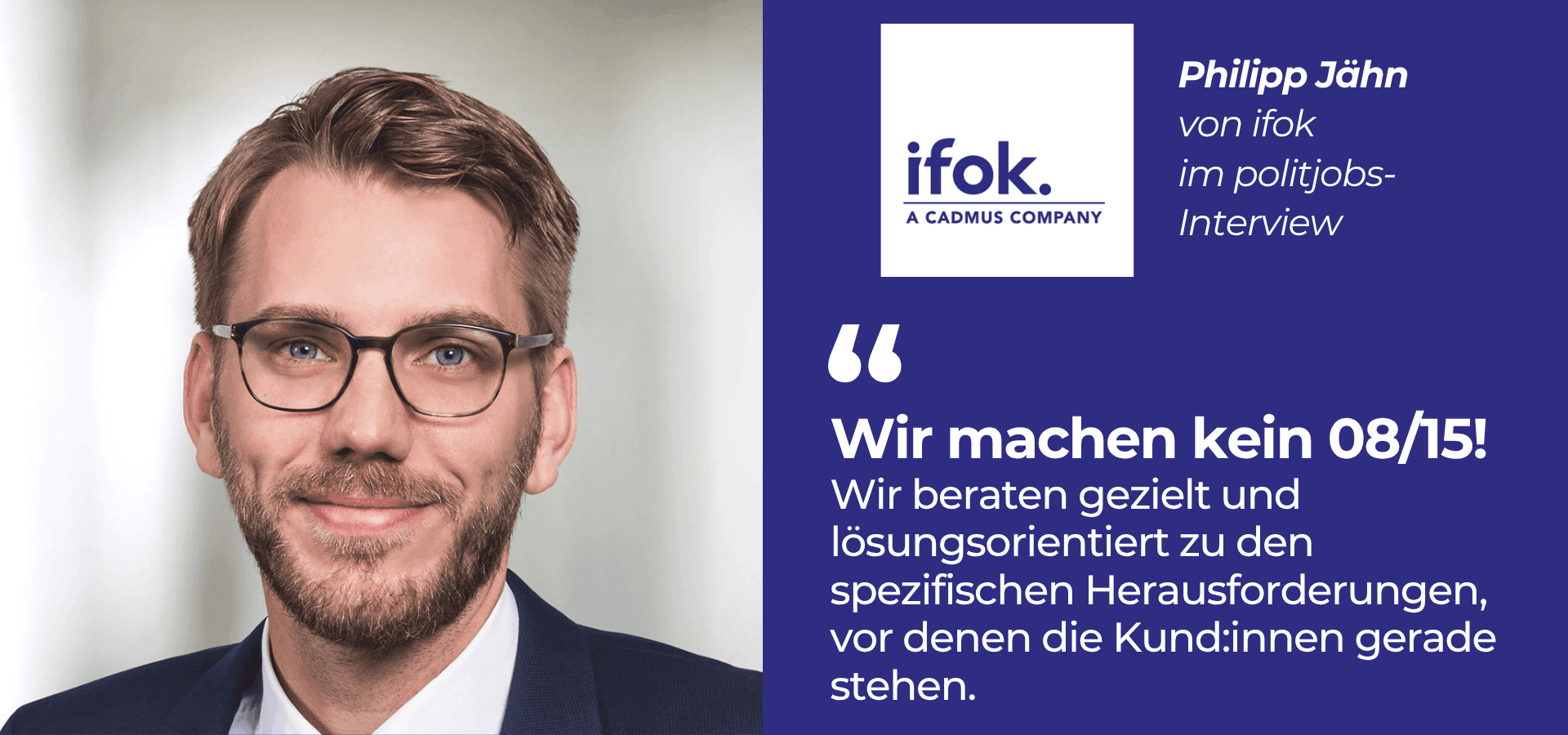
Shaping change: What is it like to work at ifok?
In this interview, Philipp Jähn, who joined ifok in 2018, provides insights into his work and reports on the benefits employees can expect.

Skilled labor shortage particularly acute in health and social professions
According to the latest KOFA report, the situation regarding skilled workers in health and social care professions is particularly acute.
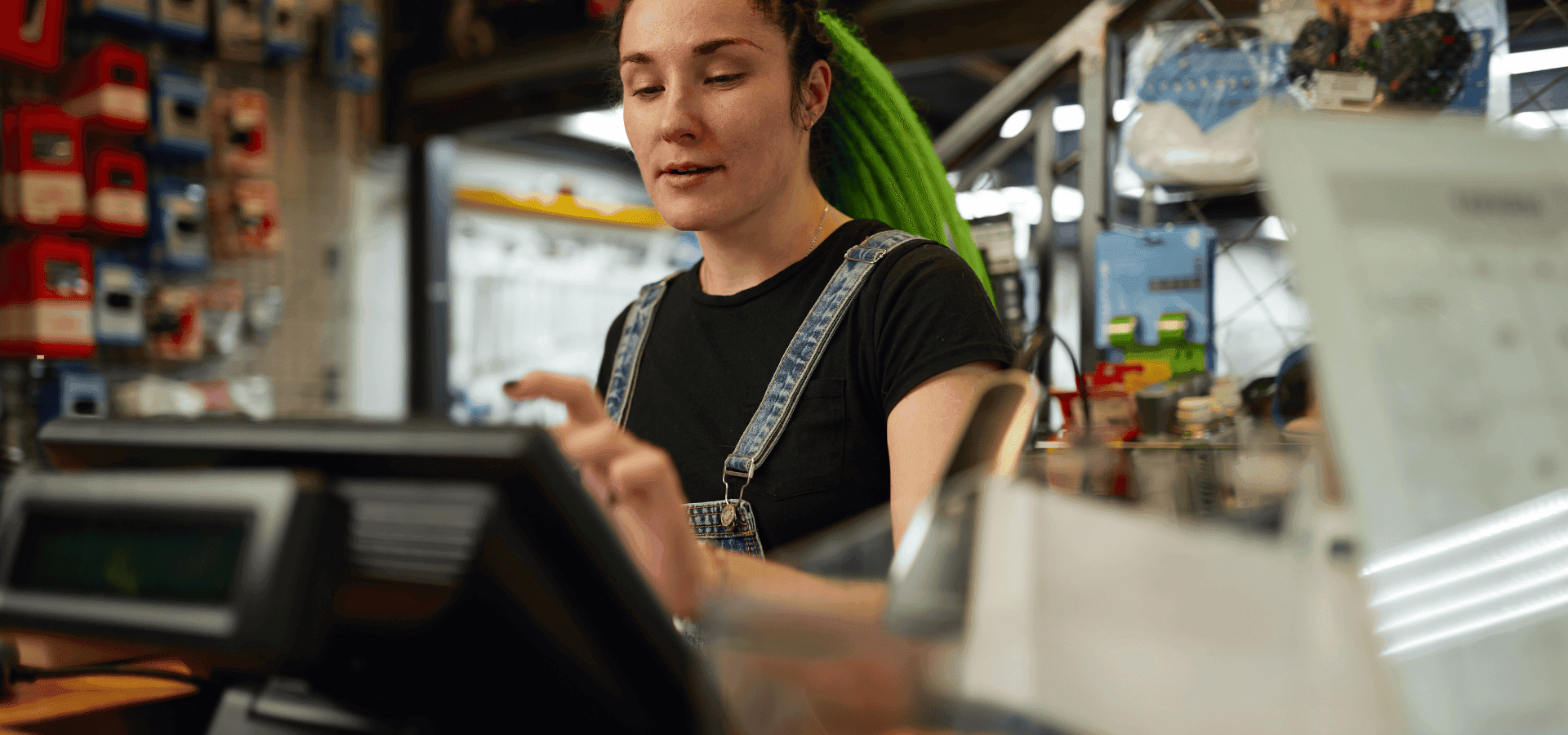
Training satisfaction continues to decline: Only 69.8% of trainees are satisfied
Fewer and fewer trainees are satisfied with their training. The reasons for this are a lack of support and excessive workloads.
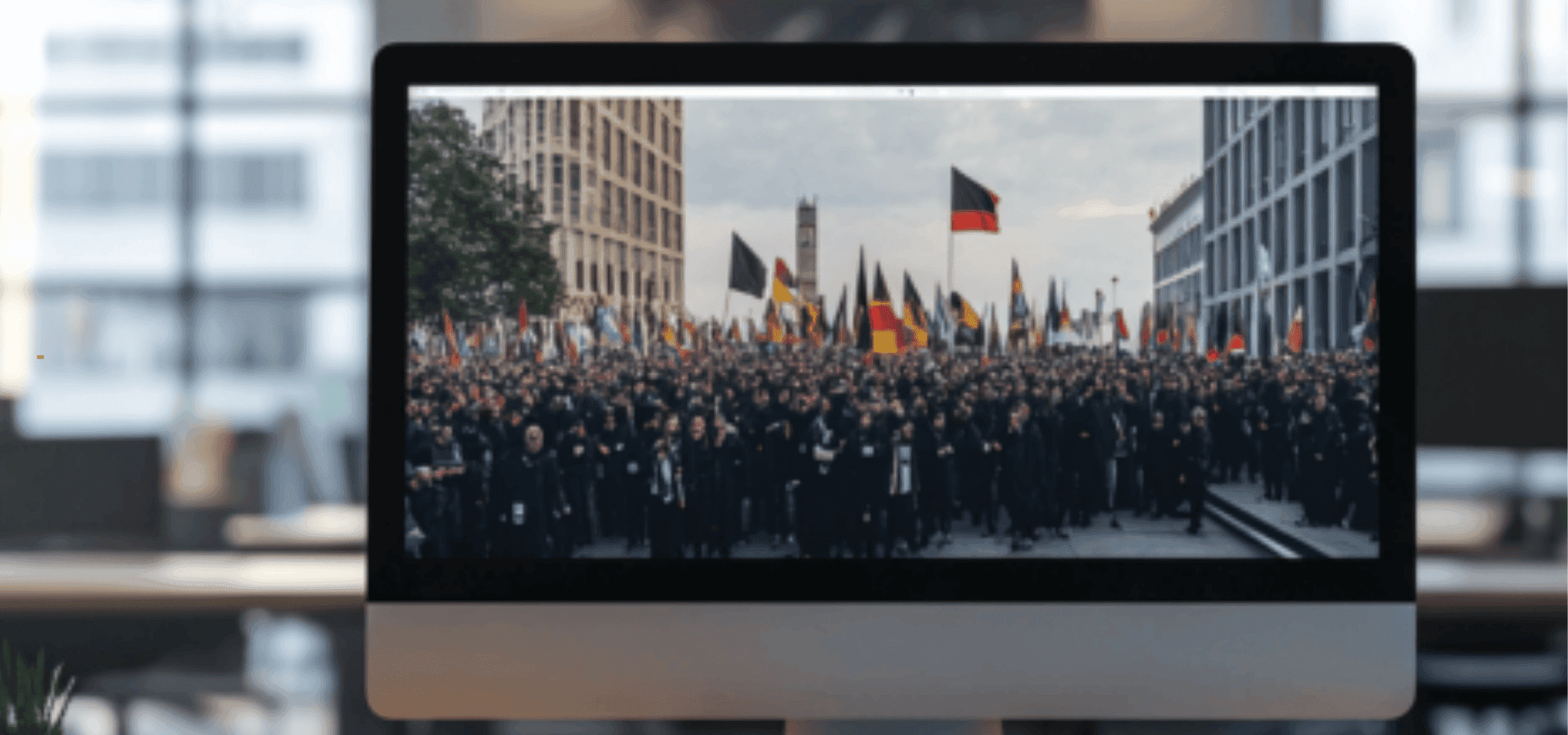
Right-wing extremist attitudes in the workplace
A new study shows that one in three employees in Germany has noticed right-wing extremist attitudes in the workplace.

The labor market in eastern and western Germany 30 years after reunification
The East German labor market has caught up, but the gap with the West has not yet been completely closed.
OECD Employment Outlook: German real wages under pressure
The German labor market is robust, but the OECD is calling for more efforts in terms of green transformation and real wages.

Artificial intelligence for small and medium-sized enterprises: potential and challenges
A position paper by Netzwerk Berlin provides insights and formulates eight recommendations for action by the federal government.

Working conditions in Germany: DGB report reveals challenges for people with a migrant background
One-third of people with a migrant background work in “unskilled jobs” – almost twice as many as non-migrant employees.

Micromanaging & Co: What bothers employees the most
Teamwork can be so wonderful—unless you are one of the 85% of employees who have to deal with annoying coworkers.

Equivalence Report 2024: Overview of progress and challenges
The report explains how Germany is progressing toward equal living conditions and what steps still need to be taken.

German Equal Pay Awards: These companies are committed to equality
The award recognizes companies that are innovative and committed to promoting equal pay for women and men.
Bertelsmann Foundation Job Monitor: These professions are in high demand in Germany
The Bertelsmann Foundation's Job Monitor shows current trends in the job market by examining various factors in job advertisements.

Global Gender Gap Report: Still 134 years to go until global gender parity is achieved
The Global Gender Gap Report 2024 highlights the progress and obstacles on the path to gender parity.

The economy reacts: How the European elections are influencing the market
The economy reacts: Following the European elections, companies and associations express their concerns.

Volunteering and politics: Challenges in local politics
Focus on (volunteer) mayors: A study by Ruhr University Bochum highlights the challenges in local politics.

Voice of Diversity
#VoiceOfDiversity: This was the slogan for yesterday's 12th German Diversity Day.
We use cookies
Help us improve your experience by accepting our cookies. Find out more in our Privacy Policy