
We use cookies
Help us improve your experience by accepting our cookies. Find out more in our Privacy Policy
Help us improve your experience by accepting our cookies. Find out more in our Privacy Policy
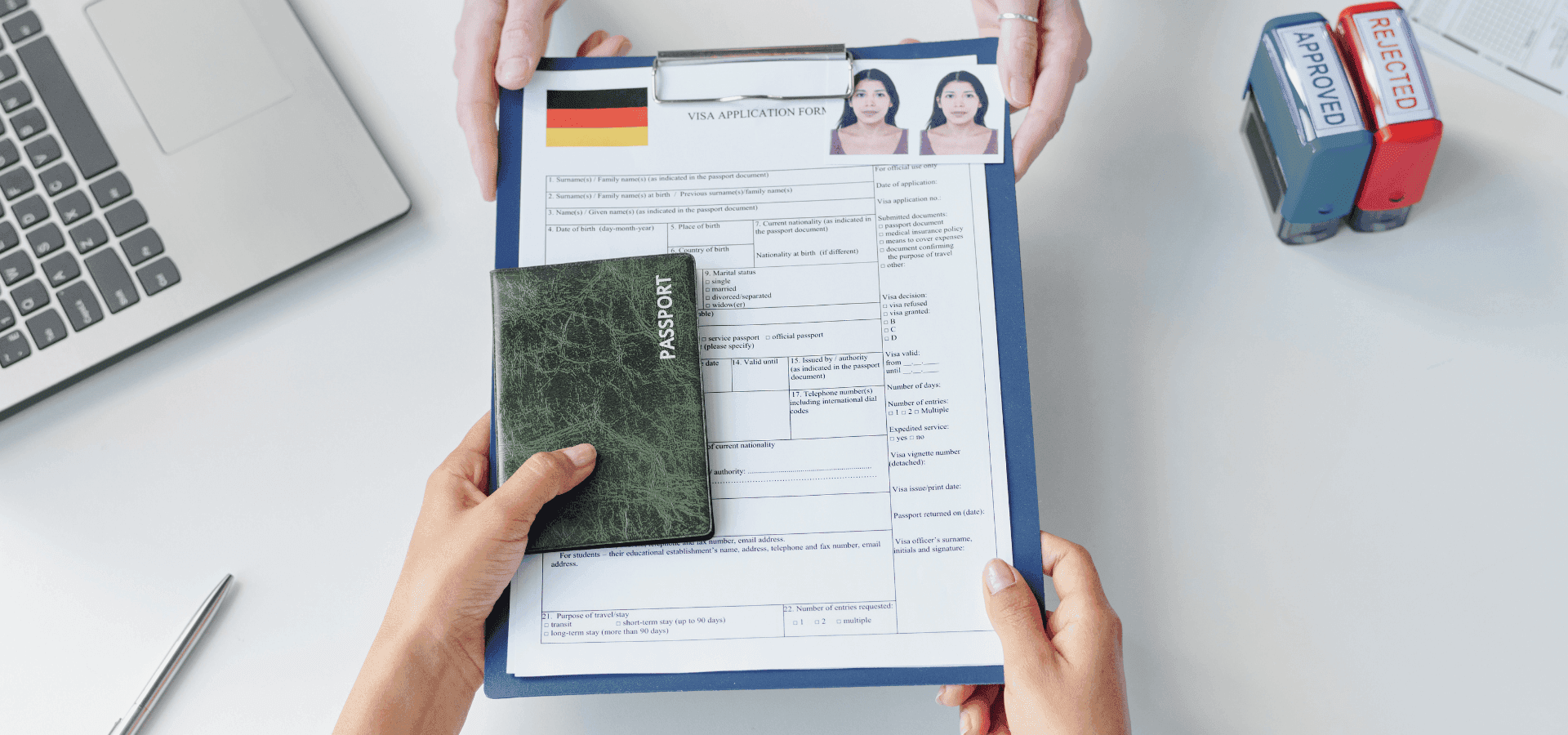
Germany needs immigration—but at the same time has a poor reputation among foreign skilled workers, according to a study.
The shortage of skilled workers is already a serious problem for many industries—and this will only get worse in the near future. The common assumption is that immigration is needed to cushion this shortage and prevent economic disadvantages. Economist Monika Schnitzer has now calculated a precise figure: Germany currently needs 1.5 million immigrants per year, and in a few years, this figure could rise to 1.8 million people annually. This corresponds to 4,110 new citizens every day or 10 people per city or district. These figures take into account not only the net demand for skilled workers, but also the high attrition rate caused by emigration. This is because, as a survey that subsequently ranked various countries found, there are many factors that speak against Germany as a location for foreign skilled workers. In this ranking, Germany comes in last in many respects, namely in the categories of housing, digital infrastructure, language, and administration. In the overall ranking of the 53 countries surveyed, only four countries performed worse than Germany, which came in 49th place. There are many reasons for Germany's poor reputation among skilled workers, especially those with academic degrees: Frequently cited reasons include long and complicated bureaucratic procedures, which, combined with a lack of digitalization, pose a major hurdle to obtaining a work permit or visa. In addition, one in three respondents described German citizens as unfriendly toward foreign residents, and half of those surveyed found it difficult to make friends. Experiences of discrimination and racist incidents are also frequently cited as an intensified form of this unfriendliness.
We were also interested in the following topics:
Working from home in federal ministries: Employees of federal ministries can spend up to 60% of their time working from home. This was the result of a survey conducted by Tagesspiegel Checkpoint, the details of which can be read here (€).
Less productive: During the pandemic, remote working opportunities experienced an unprecedented boom – and studies also confirmed increased productivity when working from home. Now the trend is moving in the opposite direction, writes The Economist (€), explaining why many companies are now bringing their employees back to the office.
Job application portals: In view of the shortage of skilled workers, companies will have to apply to employees in the future. The developers of the Jobshot application app have taken this often-heard prediction to heart and built their application based on precisely this reverse application principle. The Handelszeitung knows why the app is now facing strong criticism on LinkedIn.
AI in the workplace: A rarely discussed risk of using artificial intelligence in a work context is the danger of discrimination and bias: for example, in some cases, women are rejected for technical jobs in application processes if this seems unfamiliar to the AI. New York now wants to take legal action against this, as reported by the SZ (€).
Employer ranking: As already mentioned, there is a trend reversal in the labor market, as a result of which employees can often choose their employer. The ZEIT publishing group, together with the employer review platform Kununu, now offers guidance in the form of the Most Wanted Employer Ranking, which lists the 1,000 most attractive employers, broken down by industry.
This text first appeared as an editorial in the weekly politjobs newsletter. If you would like to receive this newsletter with the latest jobs in politics directly by email every Wednesday, you can subscribe to it here.
Spread the word: Do you have friends or acquaintances who are also interested in political jobs? Feel free to forward the registration form for our newsletter.