
We use cookies
Help us improve your experience by accepting our cookies. Find out more in our Privacy Policy
Help us improve your experience by accepting our cookies. Find out more in our Privacy Policy
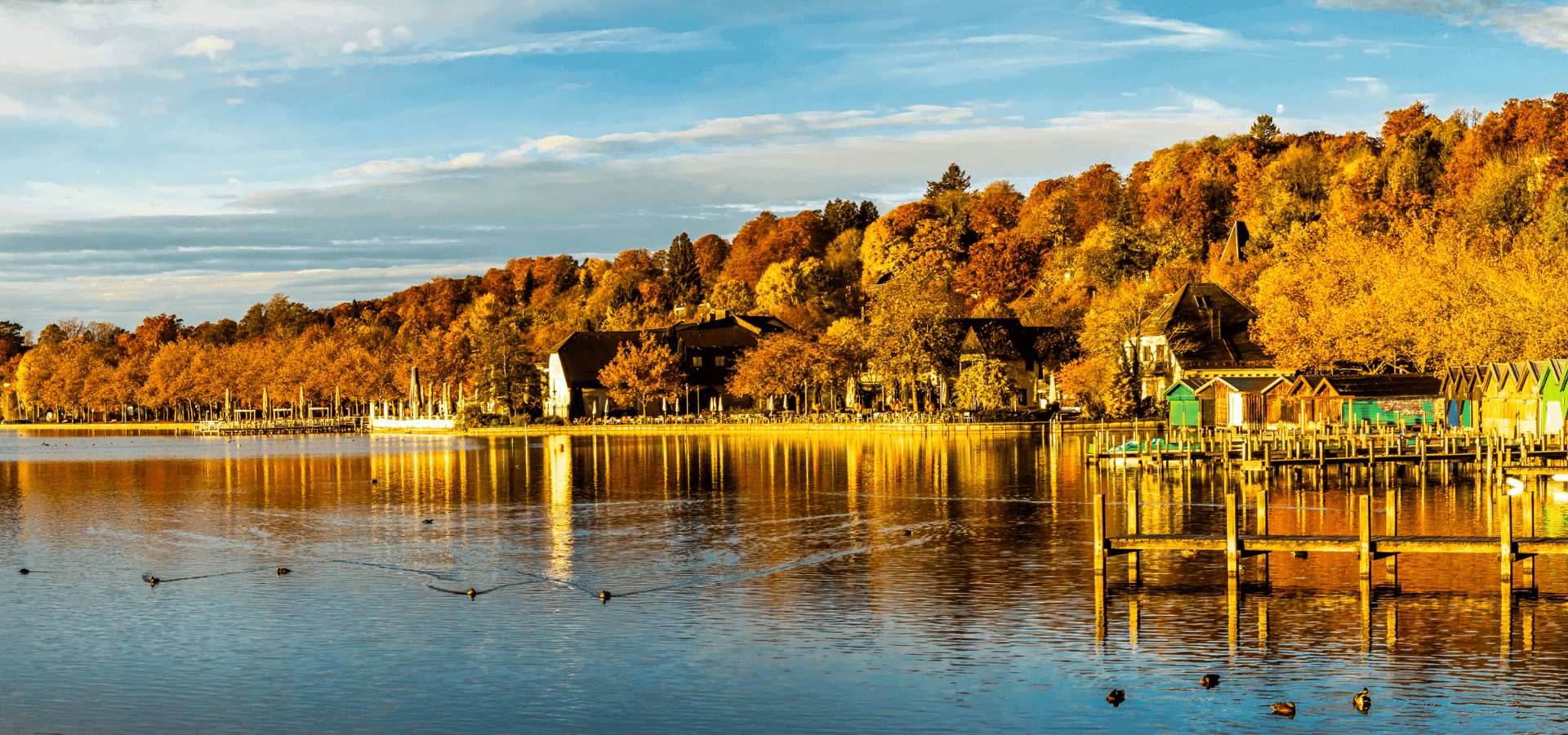
Where is it particularly cheap to live, and where is it more expensive? A new study by the IW Cologne shows the regional differences in purchasing power in Germany.
Dear reader, Starnberg and Miesbach: Both of these Upper Bavarian districts have the highest regional purchasing power in Germany. This is shown by a new ranking from the IW Cologne. The two districts benefit particularly from their “millionaire lakes,” Lake Starnberg and Lake Tegernsee. This leads to correspondingly high average incomes, which in turn generate strong purchasing power despite the above-average cost of living. In third and fourth place are the Hochtaunus district and North Frisia with Sylt—other popular tourist areas. At the bottom of the ranking, on the other hand, are the cities of Gelsenkirchen and Duisburg, mainly due to the comparatively extremely low average income there. In general, large cities tend to have low regional purchasing power, primarily due to high rents. Munich, for example, ranks 33rd: although it has a high average income, it also has the highest cost of living in Germany. Hamburg follows even further behind in 304th place. In general, the bottom of the ranking is almost exclusively occupied by cities. There are also significant differences between regions: among the top 50 areas, there are 28 Bavarian regions, but not a single one from eastern Germany. This once again illustrates that prosperity is much more concentrated in certain areas of Germany. In contrast, there is more balance among the 50 regions with the lowest purchasing power: with the exception of Hamburg, every federal state is represented here. The ranking also reveals some surprise placements or so-called “hidden champions”: these are regions that are generally inconspicuous but have well-paid skilled workers and thus solid incomes, combined with low prices and living costs. As a result, districts such as Donau-Ries, Coburg, Neustadt an der Weinstraße, and Hochsauerlandkreis are also among the top performers. We were also interested in the following topics:
AI in the workplace: Even before the introduction of ChatGPT two years ago, the demand for AI skills had risen significantly. This is shown by an IAB analysis of job advertisements from 2015 to 2019.
Corporate communications: The new European Communication Monitor 2024/25 has been published and provides an insight into the work of corporate communications. The PR Journal summarizes the key findings.
Economy: Why is a stagnating economy so feared and why is economic growth so important? The Tagesschau provides a detailed explanation.
Voices of Economic Transformation: Rarely has the future viability of Germany as a business location been so much the focus of public and political debate as it is today. On December 9, 2024, 34 thought leaders will present fresh ideas and new approaches in the fields of artificial intelligence, circular economy, and reskilling and upskilling as Voices of Economic Transformation 2024. Register now for free here.
This text first appeared as an editorial in the weekly politjobs newsletter. If you would like to receive this newsletter with the latest jobs in politics directly by email every Wednesday, you can subscribe to it here.
Spread the word: Do you have friends or acquaintances who are also interested in political jobs? Feel free to forward the registration form for our newsletter.