
We use cookies
Help us improve your experience by accepting our cookies. Find out more in our Privacy Policy
Help us improve your experience by accepting our cookies. Find out more in our Privacy Policy
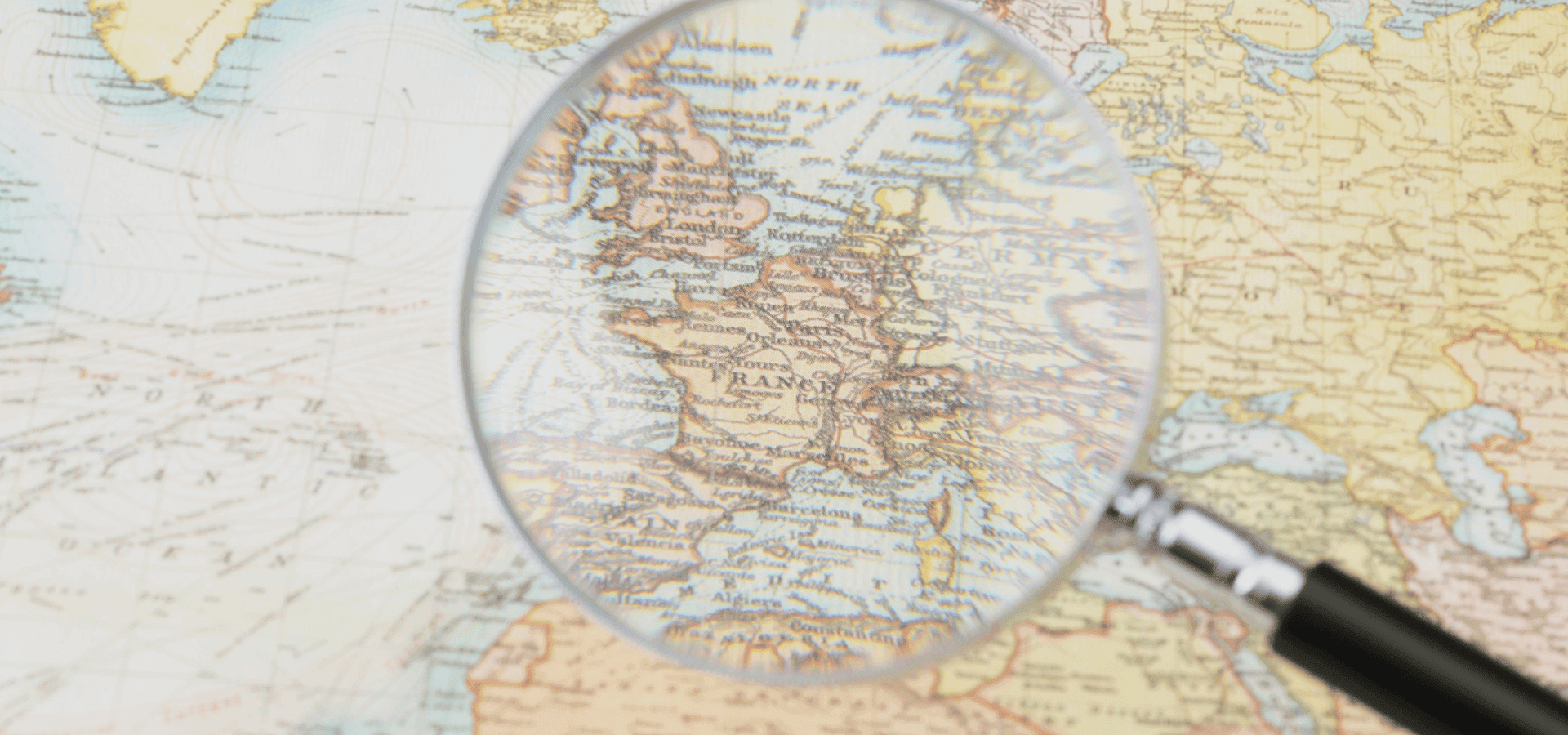
Twenty years after EU enlargement, what conclusions can be drawn regarding the concerns and expectations expressed by citizens at the time?
Exactly 20 years ago, one of the biggest leaps in European integration took place: on May 1, 2004, the EU expanded eastward, with ten more countries from Eastern and Central Europe joining the EU. How does this look from an economic perspective two decades later? And what opportunities are currently opening up on the labor market for Eastern European workers?
At the time, many German citizens initially feared that the German labor market would be “flooded” with Eastern European workers, especially given the high unemployment rate in Germany. For this reason, Germany restricted the free movement of EU workers and introduced corresponding rules that remained in force until 2011, including a requirement to obtain a permit to hire Eastern European workers. Today, the labor market functions without such restrictions, for example for cross-border commuters from Poland and Czechia or for permanent immigrants from Eastern Europe. These Eastern European skilled workers are essential for combating the shortage of skilled workers in certain industries, such as logistics and road transport. At the same time, many are taking advantage of the opportunity to escape the lower wages in their home countries.
Figures from the ifo Institute show that around 820,000 people from the “new” EU states are currently working in Germany. In addition, German companies, for example in the automotive industry, are benefiting from production relocations to Czechia and Slovakia. Such relocations also benefit the countries themselves, whose standard of living has risen. Economic researchers therefore now speak of a win-win situation for both Germany and the countries of Eastern Europe. However, observations also show that Germany has lost some of its appeal in recent years, precisely because of the increased standard of living and higher wages in Eastern Europe. It remains to be seen how this stagnation can be dealt with.
We were also interested in the following topics:
Salary comparison: How does your salary compare to other locations? This is shown in an evaluation by Zeit (€), which compares salaries in all municipalities in Germany.
AI in the workplace: Automated AI processes are influencing the development of the entire labor market, including jobs in politics. PartyParty has analyzed the exact impact this has, especially for political parties.
Pension policy: At its party conference this week, the CDU adopted a new policy platform that includes, among other things, a higher retirement age. The RND knows how the SPD is responding to this.
Starting or switching to a career in the political consulting industry? Come to our CHECKPOINT Political Consulting event on May 16 in Berlin. Get to know renowned political and communications consultancies such as 365 Sherpas, Serviceplan, Miller & Meier, FleishmanHillard, Brunswick, and many more live and gain an authentic insight into everyday consulting. All information and tickets can also be found at ckpt.org.
This text first appeared as an editorial in the weekly politjobs newsletter. If you would like to receive this newsletter with the latest jobs in politics directly by email every Wednesday, you can subscribe to it here.
Spread the word: Do you have friends or acquaintances who are also interested in political jobs? Feel free to forward the registration form for our newsletter.